
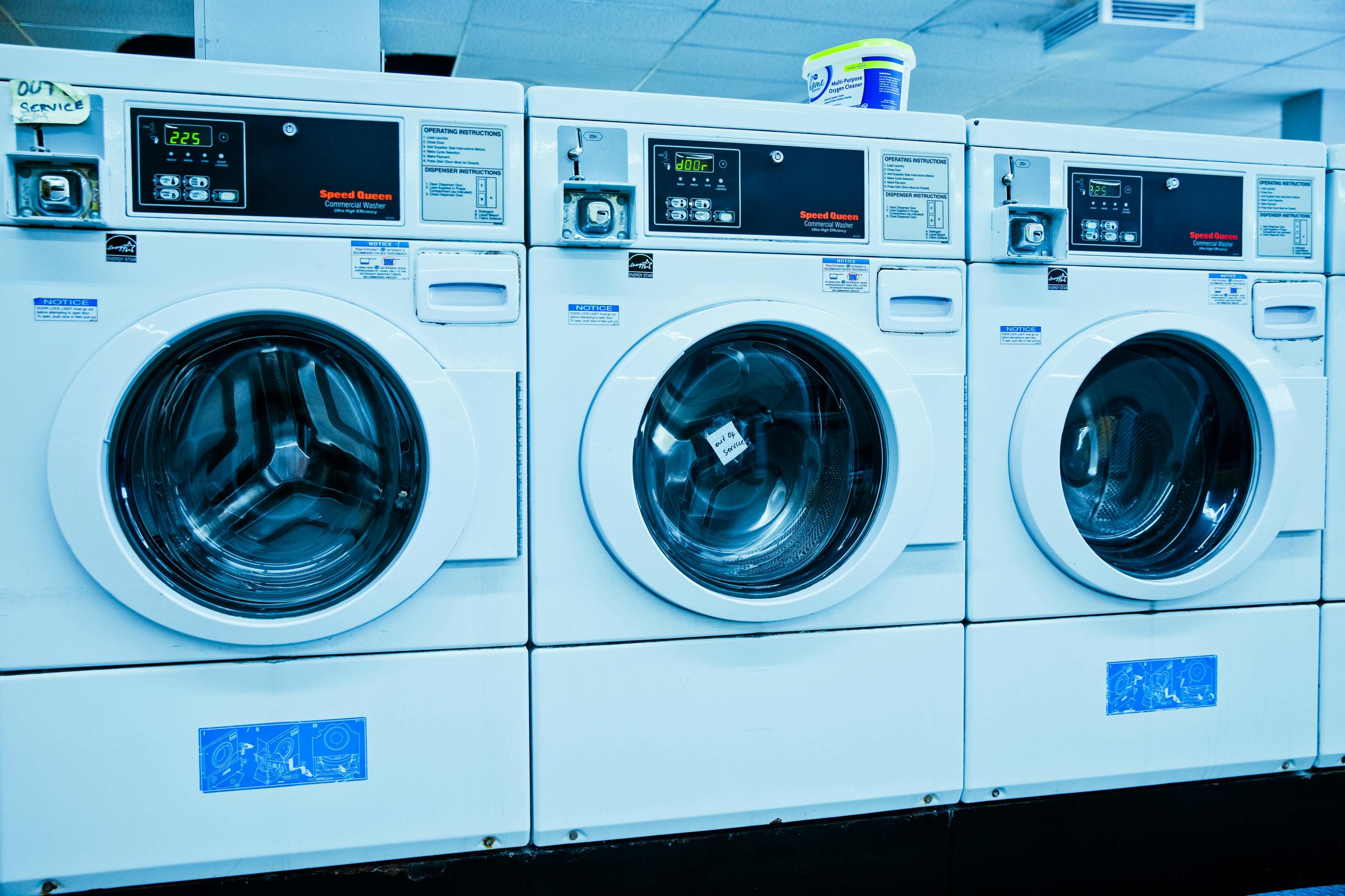
Choosing the right washer for your home can feel overwhelming with so many options available. The decision often comes down to two main types: front-load and top-load washers. Each has its advantages and potential drawbacks, depending on your lifestyle, space, and laundry habits. At Deep Dive Picks, we aim to provide a clear, professional, and unbiased comparison to help you identify the best washer to buy for your needs.
Understanding Front-Load Washers
Front-load washers have a door on the front, allowing clothes to be loaded horizontally. These machines are known for their energy efficiency and superior cleaning performance. Unlike traditional top-load washers, front-load models use gravity and tumbling action to clean clothes, which requires less water and detergent.
One of the primary benefits of front-load washers is their energy efficiency. They often consume 20–50% less water and energy compared to top-load models. This efficiency can result in significant savings over time, making them an excellent long-term investment. Front-load washers are also gentler on fabrics, reducing wear and tear on your clothing.
Modern front-load washers often come with advanced features such as steam cleaning, multiple wash cycles, and smart technology connectivity. These options allow you to customize wash settings for delicate fabrics, heavy-duty items, or specific stains, enhancing the overall cleaning performance.
Drawbacks of Front-Load Washers
While front-load washers offer many advantages, they come with some downsides. The initial purchase price is typically higher than top-load washers. They also require more maintenance to prevent mold and mildew buildup around the door seal. Additionally, bending down to load and unload clothes can be inconvenient for some users, though pedestal stands are available to alleviate this issue.
Understanding Top-Load Washers
Top-load washers are the traditional choice for many households. Clothes are loaded from the top, and the wash action is typically an agitator or impeller system. These machines are known for their convenience, faster wash cycles, and lower upfront costs.
Top-load washers are easy to use and allow you to add clothes mid-cycle. They are generally lighter and more compact, making them ideal for smaller spaces. For those who prefer a straightforward washing experience without advanced technology, top-load washers remain a popular option.
Modern top-load washers also offer high-efficiency (HE) models that use less water and energy than older versions. These HE models feature multiple wash cycles, larger capacities, and improved spin speeds, narrowing the performance gap with front-load washers.
Drawbacks of Top-Load Washers
Top-load washers can be less energy-efficient than front-load models, using more water and electricity per load. They may also be harsher on fabrics due to the agitator system, which can lead to increased wear over time. In addition, top-load washers typically offer fewer customizable features compared to advanced front-load washers.
Key Factors to Consider When Choosing the Best Washer to Buy
When deciding between a front-load or top-load washer, several factors should influence your choice:
1. Energy and Water Efficiency
Front-load washers generally outperform top-load washers in energy and water savings. If your priority is reducing utility bills and environmental impact, a front-load model may be the better option.
2. Space and Accessibility
Top-load washers are often easier to fit in tight spaces due to their vertical design. They are also convenient for users who prefer not to bend while loading and unloading laundry. Front-load washers, however, can be stacked with a dryer to save space in smaller laundry rooms.
3. Wash Performance
Front-load washers usually provide superior cleaning performance and are gentler on clothes. They are particularly effective at removing stains and maintaining the quality of delicate fabrics. High-efficiency top-load washers have narrowed this gap but may still fall short for heavy-duty or heavily soiled laundry.
4. Cost and Maintenance
Front-load washers have a higher upfront cost and require regular maintenance to prevent mold and odors. Top-load washers are typically less expensive initially and easier to maintain, though they may incur higher water and energy costs over time.
5. Wash Cycle Flexibility
Front-load washers offer more cycle options, including steam and specialized fabric settings. Top-load washers focus on straightforward cycles, which may be sufficient for households with standard laundry needs.
Front-Load vs. Top-Load: Which is Right for You?
Ultimately, the choice between front-load and top-load washers comes down to your specific needs. If energy efficiency, gentle fabric care, and superior cleaning are your top priorities, a front-load washer is likely the best washer to buy. On the other hand, if convenience, lower initial cost, and easier loading are more important, a top-load washer may suit your household better.
Consider your laundry volume, space limitations, and long-term utility costs. A larger family with heavy laundry demands may benefit from a front-load washer with a larger capacity, while a single user or couple may find a top-load washer more convenient and cost-effective.
Conclusion
Selecting the best washer to buy requires careful consideration of your lifestyle, space, and laundry habits. Front-load washers offer energy efficiency, superior cleaning, and advanced features, while top-load washers provide convenience, affordability, and straightforward usability. By weighing the advantages and drawbacks of each type, you can make an informed decision that meets your household’s needs and delivers long-lasting satisfaction. At Deep Dive Picks, we recommend evaluating both types, considering your space and energy priorities, and choosing the washer that provides the optimal balance between performance and convenience. Visit our homepage daily for breaking news, expert analysis, and fresh perspectives.
Frequently Asked Questions
Q1: Which washer type uses less water and electricity?
Front-load washers are more energy-efficient and use less water compared to traditional top-load washers.
Q2: Can I stack a front-load washer with a dryer?
Yes, front-load washers can be stacked with compatible dryers, making them ideal for small spaces.
Q3: Are top-load washers easier to maintain?
Top-load washers are generally easier to maintain and less prone to mold buildup compared to front-load washers.